Data Science Profiles: Michelle Ndugulile

Michelle Ndugulile (‘23) recently graduated from the University of Washington with a B.S. in Biology and a minor in Data Science. Prior to her undergraduate studies at UW, Michelle was interested in a variety of STEM subjects, such as math, anatomy, and physiology. But it was biology that captured her interest the most, and inspired her to pursue it in college and into a future career.

Continue reading “Data Science Profiles: Michelle Ndugulile”

Data Science Profiles: Ben Roscoe

The University of Washington launched the Data Science Minor in Fall 2020 to help undergraduate students gain data science skills and literacy to help supplement the area of their major. Since its inception, the minor has been one of the fastest growing programs at UW, as students see how widely utilized data science tools are and the value they bring to their areas of study. Since UW students can declare a minor during their sophomore year, the graduating class of 2023 was the first to contain students who have been enrolled in the Data Science Minor for the majority of their studies.

Continue reading “Data Science Profiles: Ben Roscoe”

Assessing Heat Pump Usage Across Alaska

2023 is on track to be one of the hottest years across the globe. Warming occurs at double the global rate in Arctic regions, necessitating the need for viable decarbonization options that help move away from dependence on fossil fuels. This summer, one of the eScience Institute’s Data Science for Social Good (DSSG) teams at the University of Washington has been researching heat pumps for heating and … Continue reading Assessing Heat Pump Usage Across Alaska

Learning Data For Good

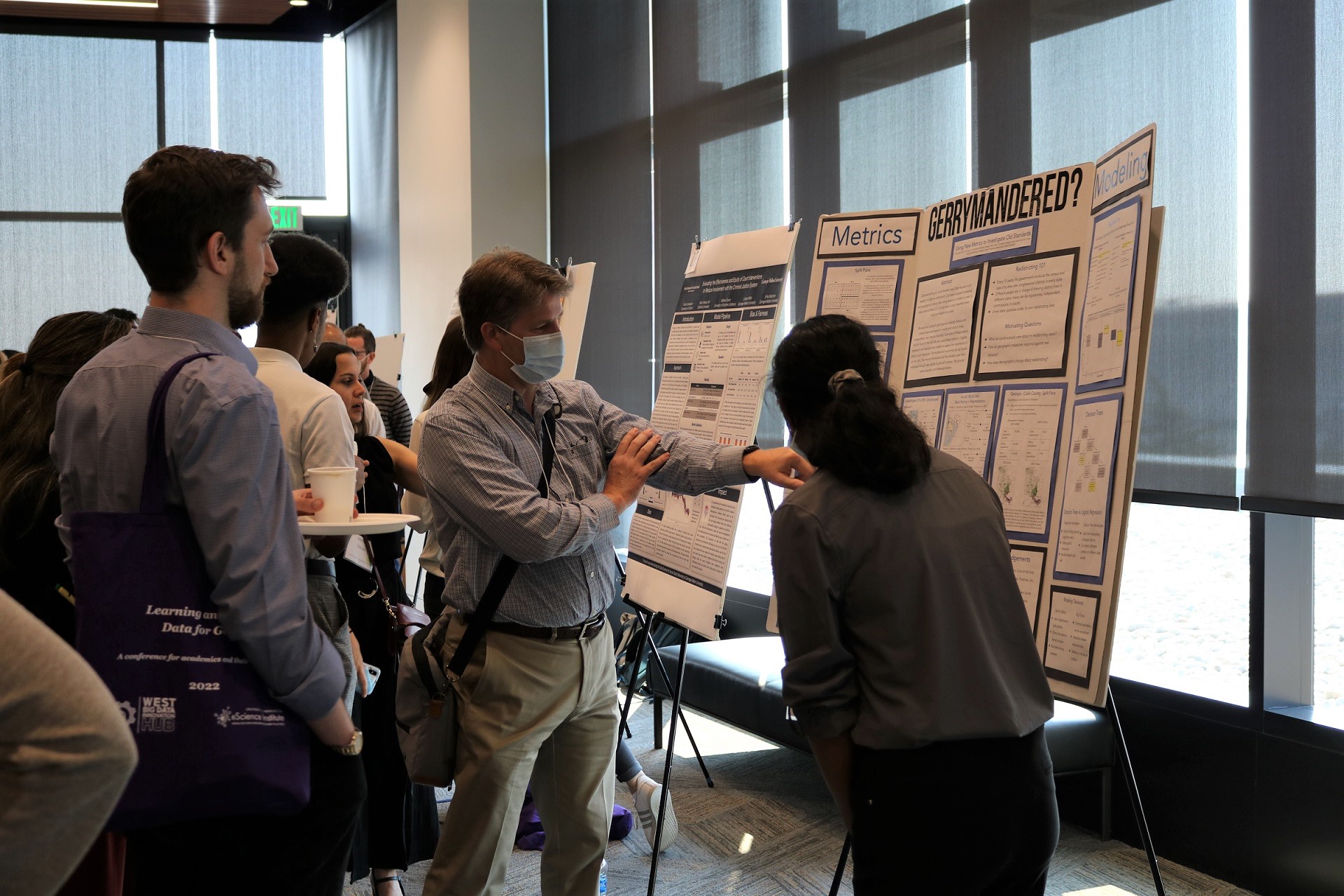
Last month the eScience Institute held the “Learning and Doing Data For Good” conference, an event for current students and alumni in university-based data for good programs, their project partners, and data science professionals. The goal was to inspire discussions and networking with others who are motivated to learn from and meet the needs of communities and people using data for change. The eScience Institute co-hosted the conference with the West Big Data Innovation Hub, the Academic Data Science Alliance, and the University of British Columbia’s Data Science Institute.

Continue reading “Learning Data For Good”

Discovering How AI is Utilized Across UW

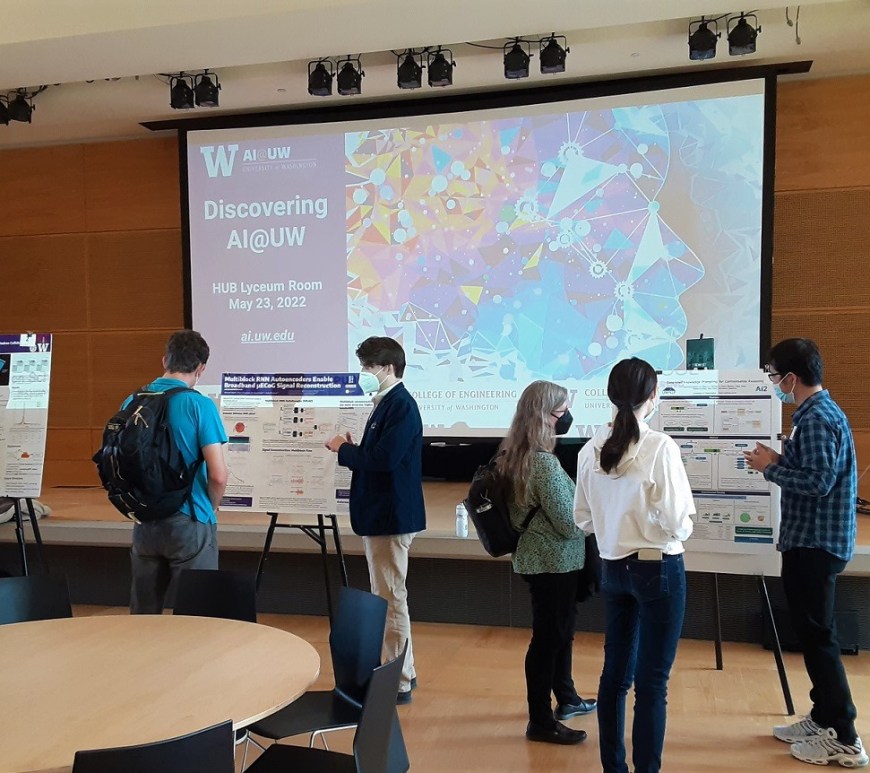
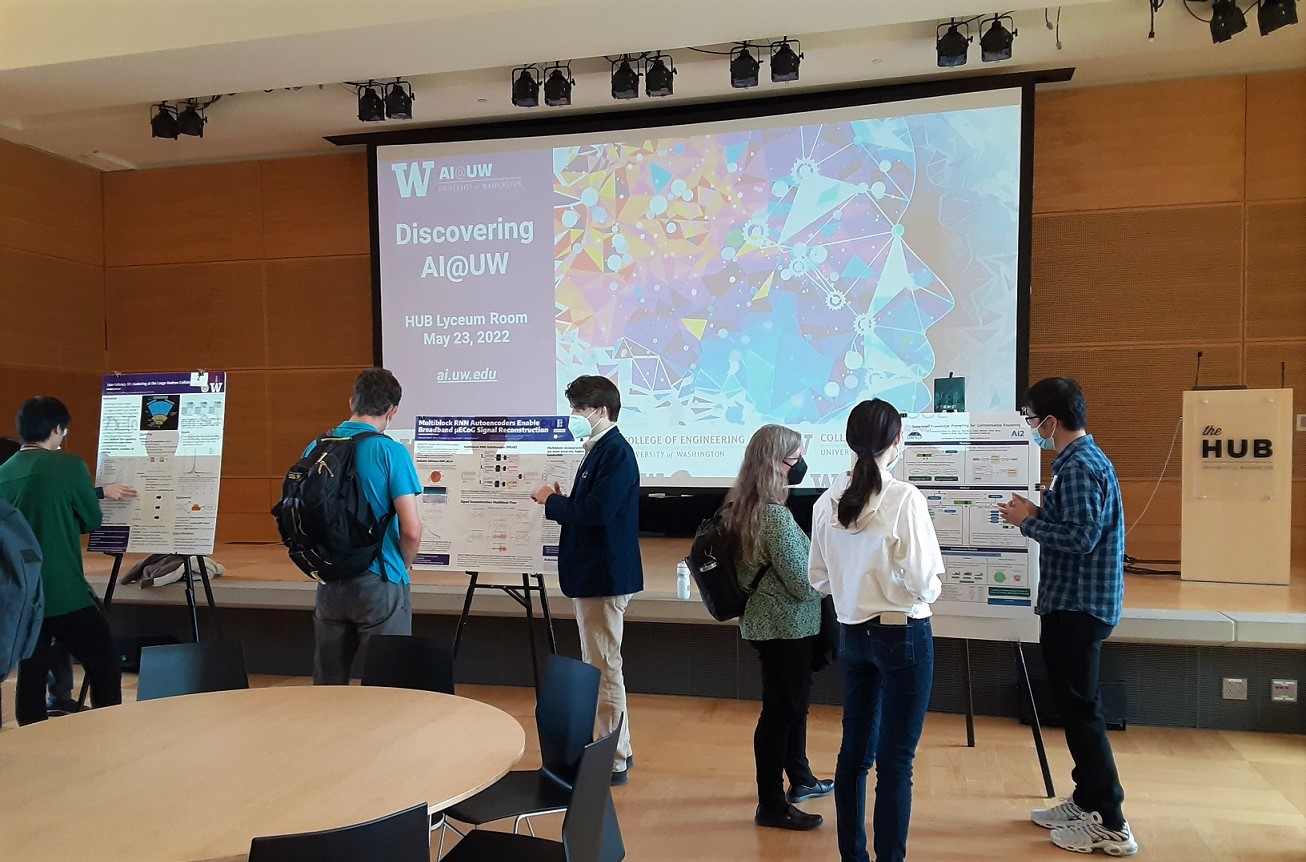
The eScience Institute co-hosted Discovering AI@UW, an event that brought together artificial intelligence experts from across the University of Washington campus to discuss their projects and how they intersect. Over 180 people attended the event, both streaming online via zoom and in person in the Lyceum Room of the Husky Union Building on campus, and included UW faculty and staff, postdoctoral fellows, graduate students, and undergraduates. “The energy around all these [AI initiatives] that people are doing here makes me tremendously excited,” said Nathan Kutz, Senior Data Science Fellow and Adjunct Professor of Electrical Engineering & Physics. “We not only have a university that is incredibly collaborative, but we also have so much work going on in so many different domains.”

Continue reading “Discovering How AI is Utilized Across UW”

Using Cloud Computing to Aid Seattle’s Covid Response

Over the past year, the University of Washington and UW Medicine have been at the heart of the city of Seattle’s Covid-19 response: researchers studying social distancing and how the virus spreads on our communities, volunteers collecting and distributing supplies, clinical vaccine trials, and a partnership with the city to process over 2 million test samples at no cost to residents – all of which have helped Seattle maintain one of the lowest Covid-19 rates of major US cities. And with so many departments and teams working together, often involving clinical patient data, an adaptable and secure info-sharing system is absolutely necessary.

Continue reading “Using Cloud Computing to Aid Seattle’s Covid Response”

Help the Fibr Algorithm Learn to Read MRI Scans

At the University of Washington, eScience Data Science Fellow and Research Assistant Professor of Psychology Ariel Rokem and UW Data Science Postdoctoral Fellow Adam Richie-Halford have created a way for the general public to help an algorithm learn to read MRI scans. Fibr utilizes the vast dataset of the Healthy Brain Network to better understand how mental health disorders are first diagnosed in childhood and adolescence. But in order for the algorithm to differentiate between scans that show long-range fiber connections in the brain and those that don’t, it must first learn what to look for. Regardless of scientific training, anyone who wants to participate can view a short tutorial and start guiding Fibr towards new innovations in neuroscience and beyond.

Continue reading “Help the Fibr Algorithm Learn to Read MRI Scans”

Using Data Science to Track Marine Heatwaves

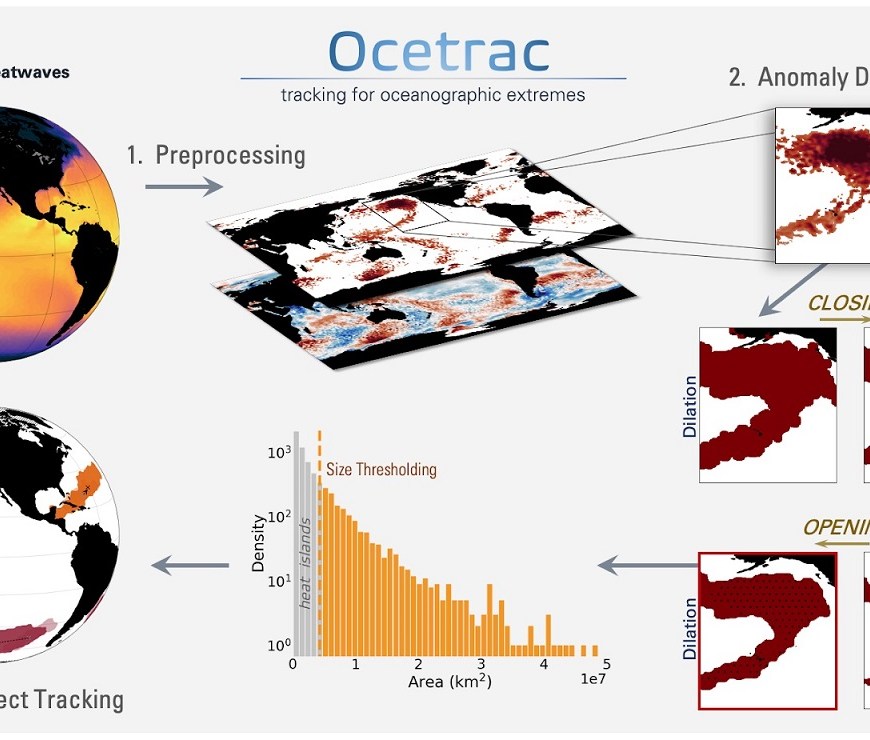
The University of Washington’s School of Oceanography Professor LuAnne Thompson and recent PhD graduate Hillary Scannell are leading a team that uses data science to track and predict marine heatwaves (MHW). These extreme hot-water events have had dramatic ecological impacts and have led to widespread toxic algal blooms, habitat degradation, and loss in commercially valuable fisheries.

Continue reading “Using Data Science to Track Marine Heatwaves”