Choose Your Own New Year’s Eve 2014 Adventure!

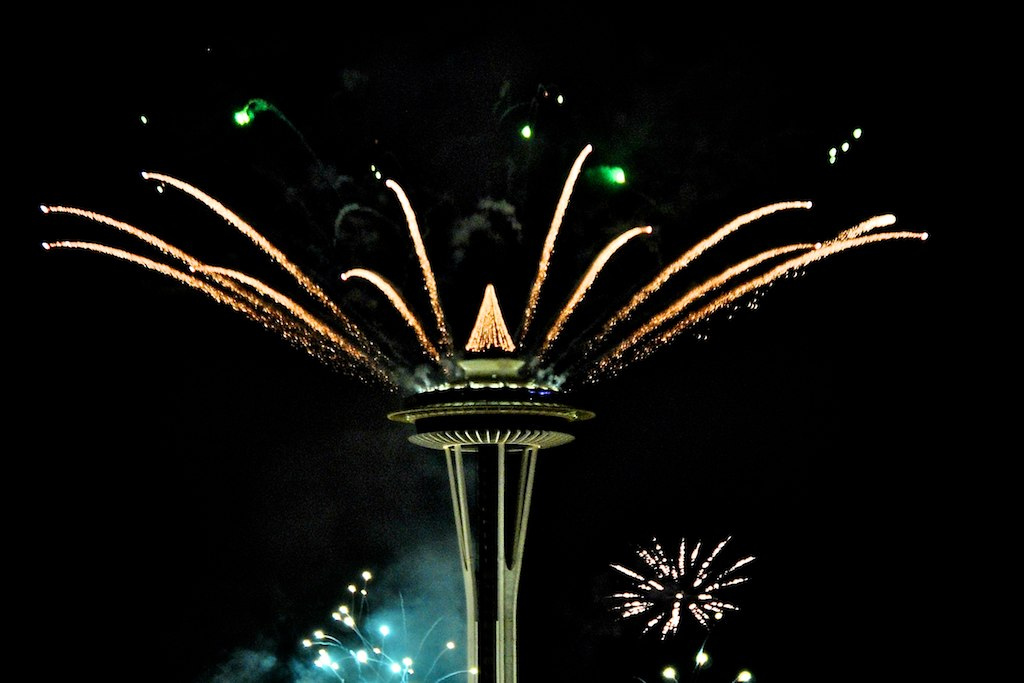
Like many of you, I have been so busy recovering from Christmas that I’ve barely had any time to plan anything for New Year’s Eve. This time of year when I naturally reminisce about everything that has happened over the past 365 days, it only seems appropriate that the year end with a celebration of the good things of 2013, and a ‘good riddance’ to the not-so-good things. Fortunately, Seattle is one of the nation’s fastest-growing metropolitan cities (over 630,000 residents and counting), so there are dozens of great parties and gatherings to choose from. I can plan the perfect New Year’s Eve 2014 with one simple question: what Seattle public radio station do you listen to?
Continue reading “Choose Your Own New Year’s Eve 2014 Adventure!”

Rooting for the Underdog: 6 Iconic Seattle Start-ups

Seattle is the iconic underdog city. It may not be as bustling as the Big Apple, or as glitzy as Hollywood, but it has undeniably carved out a special place for itself in American lore as a city of start-ups. Microsoft, Starbucks and Amazon didn’t begin as household names. So what is it about Seattle that makes it ideal for kick starting independents?

Downtown Seattle has come a long way since its Pioneer days. Photo credit: Louisa Gaylord.
Seattle’s Pioneer Square has come a long way since its Pioneer days. Photo credit: Louisa Gaylord.

Continue reading “Rooting for the Underdog: 6 Iconic Seattle Start-ups”

Franz von Stuck at the Frye Art Museum

Franz von Stuck did not begin as a painter, but as a graphic designer and an architect. Born in Bavaria in 1863, Stuck showed an early talent for drawing and caricature. He attended the Munich Academy from 1881 to 1885 where he refined his artistic style. Stuck first became relatively well-known when he began illustrating cartoons for the German weekly satirical magazine, Fliegende Blätter, a publication with 95,000 copies at its peak circulation, and featured other artists such as Wilhelm Busch and Julius Klinger. Stuck supplemented his magazine work with providing drawings for book covers, pamphlets and promotional posters. Here Stuck begins exploring the creation of icons and the legendary, biblical and mythical symbols that will later dominate his painting career.

Poster for an international science expo

Continue reading “Franz von Stuck at the Frye Art Museum”

Wakuda Studios’ Jonathan Wakuda Fischer

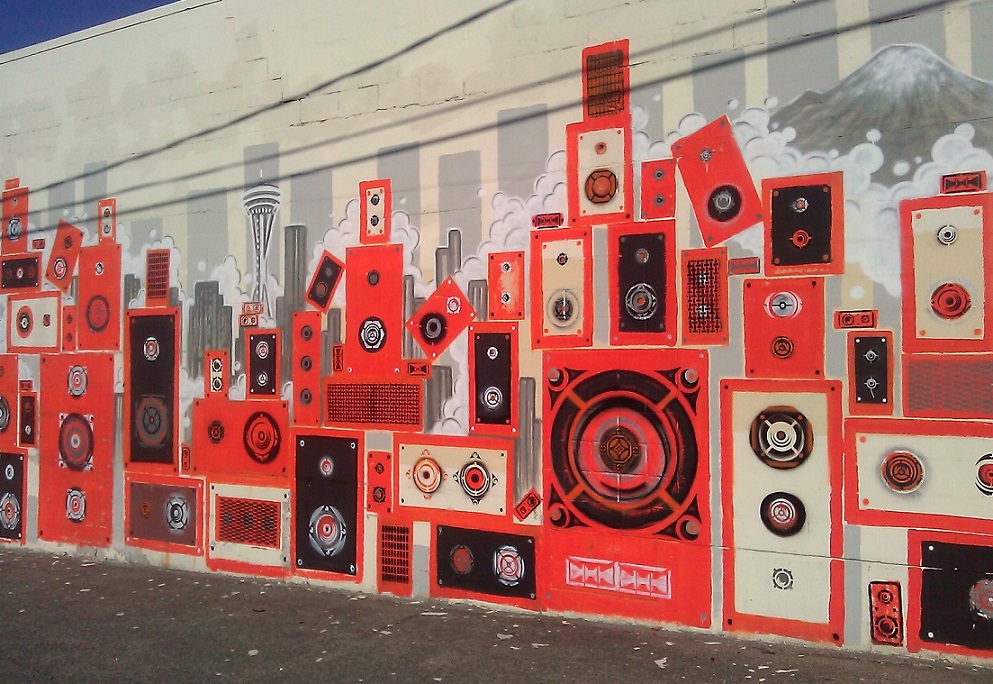
Anyone walking by the Dexter-Denny intersection lately probably won’t notice the large orange and black mural that’s gone up within the last couple of weeks on the sides of 90.3 FM KEXP.  In fact, many of the studio’s neighbors don’t know there is a radio station there at all – the gray concrete one-story block, affectionately called the Berlin Wall, looks far too small to house the approximately 80 employees and 200 volunteers they have on rotation to keep the non-profit studio running smoothly.

I got a chance to take a break from preparations for the fall fundraising drive to talk with artist Jonathan Wakuda Fischer as he put the finishing touches on the mural. He has been a longtime listener and donor to KEXP since he moved to Washington from Wisconsin 8 years ago. “I didn’t know I wanted to be an artist before I came to Seattle,” Jonathan says, “I found my creative self here.”

The mural features many Seattle icons - the Space Needle, Mt. Rainier, and great music. Photo credit: Louisa Gaylord
The mural features many Seattle icons – the Space Needle, Mt. Rainier, and great music. Photo credit: Louisa Gaylord

Continue reading “Wakuda Studios’ Jonathan Wakuda Fischer”

Treat the Cause, Not the Symptoms

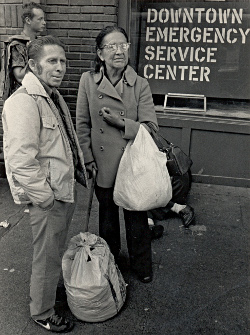
The Downtown Emergency Services Center (DESC) started in November 1979 as an emergency overnight shelter in the ballroom of the Morrison Hotel in Seattle’s Pioneer Square. A small staff served nearly 200 chronically homeless Seattle adults that, “due to their severe and persistent mental and addictive illnesses, were not being served by the existing shelters of the time,” according to their website. Over the next decade, DESC partnered with the City of Seattle, the Greater Seattle Council of Churches, and Washington Advocates for the Mentally Ill to assess the shortages in providing resources for the vulnerable homeless people in the community. The organization rallied in 1984 to create the first severe weather overflow shelter in King County.

Photo credit: David Entrikin

Continue reading “Treat the Cause, Not the Symptoms”

Over the River and Through the Woods: How Broadband Reaches Rural Washington

Northwest Open Access Network (NoaNet) is changing how Washington residents surf the web. Metropolitan cities like Seattle and Bellevue have long had access to broadband connections, enabling the Pacific Northwest to stay at the forefront of many existing and emerging industries. However, through an infusion of nearly $140 million in federal grants from the Department of Commerce’s National Telecommunications and Information Administration (NTIA), NoaNet is adding 1,000 miles of broadband all across the state. This expansive project, one of the largest in the country, will bring reliable, high-speed Internet to nearly 2,000 hospitals, libraries, schools and universities in rural Washington communities.

Continue reading “Over the River and Through the Woods: How Broadband Reaches Rural Washington”

Hurtling into the Future, Faster Than a Speeding Bullitt

If anyone is qualified to be the president of the super-sustainable Bullitt Foundation, it’s Denis Hayes. On April 22, 1970, he organized the first Earth Day, an environmental protection event that is now celebrated in over 190 countries. Hayes was also the head of the Solar Energy Research Institution during the Carter administration, was named Time Magazine’s Hero of the Planet in 1999, and has received a national Jefferson Awards Medal for Outstanding Public Service. Hayes has been with the Bullitt Foundation since 1992.

Bullitt Center 3

Continue reading “Hurtling into the Future, Faster Than a Speeding Bullitt”

Another Chapter in the Epic Saga

Gather ‘round children, and I will spin you a tale as old as time itself: Seattle’s Alaskan Way Viaduct. Originally completed in 1953, the Viaduct was created to alleviate traffic congestion from trucks, trains and wagons bringing cargo to and from the Port of Seattle. Transportation studies showed that the best way to control port traffic was to have two north-south corridors running between downtown and the waterfront: the Viaduct was created first because the City of Seattle already owned the land, and I-5 was added in the 1960’s.

The Viaduct was the first tunnel designed by the City of Seattle Engineering Department, as well as the first example of a tunnel using forced-air ventilation.

Continue reading “Another Chapter in the Epic Saga”

Bertschi School: Living Building to Live Up To

Kids love gross things. It’s one of those constants in life that you can depend on like clockwork, like taxes or shoppers behaving like inhuman monsters at Black Friday sales. But Bertschi School in Seattle (also my alma mater) uses this fact to their advantage in their new Living Science Building, which is changing how kids learn about the world they stand to inherit.

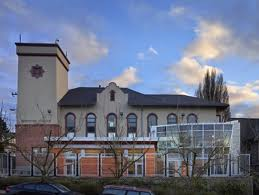
Bertschi School, on 10th Avenue East in Seattle, was founded by Brigitte Bertschi in 1975.
Bertschi School, on Capitol Hill in Seattle, was founded by Brigitte Bertschi in 1975.

Continue reading “Bertschi School: Living Building to Live Up To”

Seattle’s “Trashion” Designers

In a span of several years, our society has taken an interest in biodiesel cars, wind power and composting. It makes us feel proactive to be helping the environment as a part of our everyday lives. But few take recycling to the level of outlandish fun as the International Sustainability Institute. ISI’s Trash Fashion Bash event is designed to “entertain, educate and empower others to rethink, reuse and recycle” by making haute couture fashions from society’s trash to be featured in benefit runway shows. It begins with a suit.

Pants made from recycled coffee bean bags, a Seattle favorite. Photo credit: Louisa Gaylord

Continue reading “Seattle’s “Trashion” Designers”