Biomimicry: what we can learn from the designs of evolution

Biomimicry provides an environmentally-friendly solution to the energy crisis. Derived from the Latin bios meaning organic life, and mimesis meaning to imitate, biomimicry is the study of gaining design inspiration from natural processes to solve human problems. The act of evolution over time ensures that everything that is alive and thriving today, from plant functions to the hydrodynamic shape of fish, is successful and imaginative enough to adapt through millions of years of testing. The goal of the Biomimicry Institute in Montana is to “nurture and grow a global community of people who are learning from, emulating, and conserving life’s genius to create a healthier, more sustainable planet.”

The "lotus effect" allows water to roll easily off the leaves to feed the plant's roots.
The “lotus effect” allows water to roll easily off the leaves to feed the plant’s roots.

Continue reading “Biomimicry: what we can learn from the designs of evolution”

Seattle’s “Trashion” Designers

In a span of several years, our society has taken an interest in biodiesel cars, wind power and composting. It makes us feel proactive to be helping the environment as a part of our everyday lives. But few take recycling to the level of outlandish fun as the International Sustainability Institute. ISI’s Trash Fashion Bash event is designed to “entertain, educate and empower others to rethink, reuse and recycle” by making haute couture fashions from society’s trash to be featured in benefit runway shows. It begins with a suit.

Pants made from recycled coffee bean bags, a Seattle favorite. Photo credit: Louisa Gaylord

Continue reading “Seattle’s “Trashion” Designers”

Sustainability: All of Us for All of Time

Whenever I mention that I am enthusiastic about sustainability, I get two reactions: people who assume I am talking about green buildings and architecture, and people who are tired of hearing about being eco-friendly. It’s true that the media has saturated our society with messages of the virtues of being sustainable, but only if we buy more things. “These plastic bottles of water have 15% less plastic in the cap than before, but are still sold in twice-wrapped 24-packs.” Green washing has become a major selling point, but people only remember what’s in front of their faces. How did the idea of sustainability become so warped that people roll their eyes when it comes up in conversation?

Because we have the wrong idea about sustainability altogether.

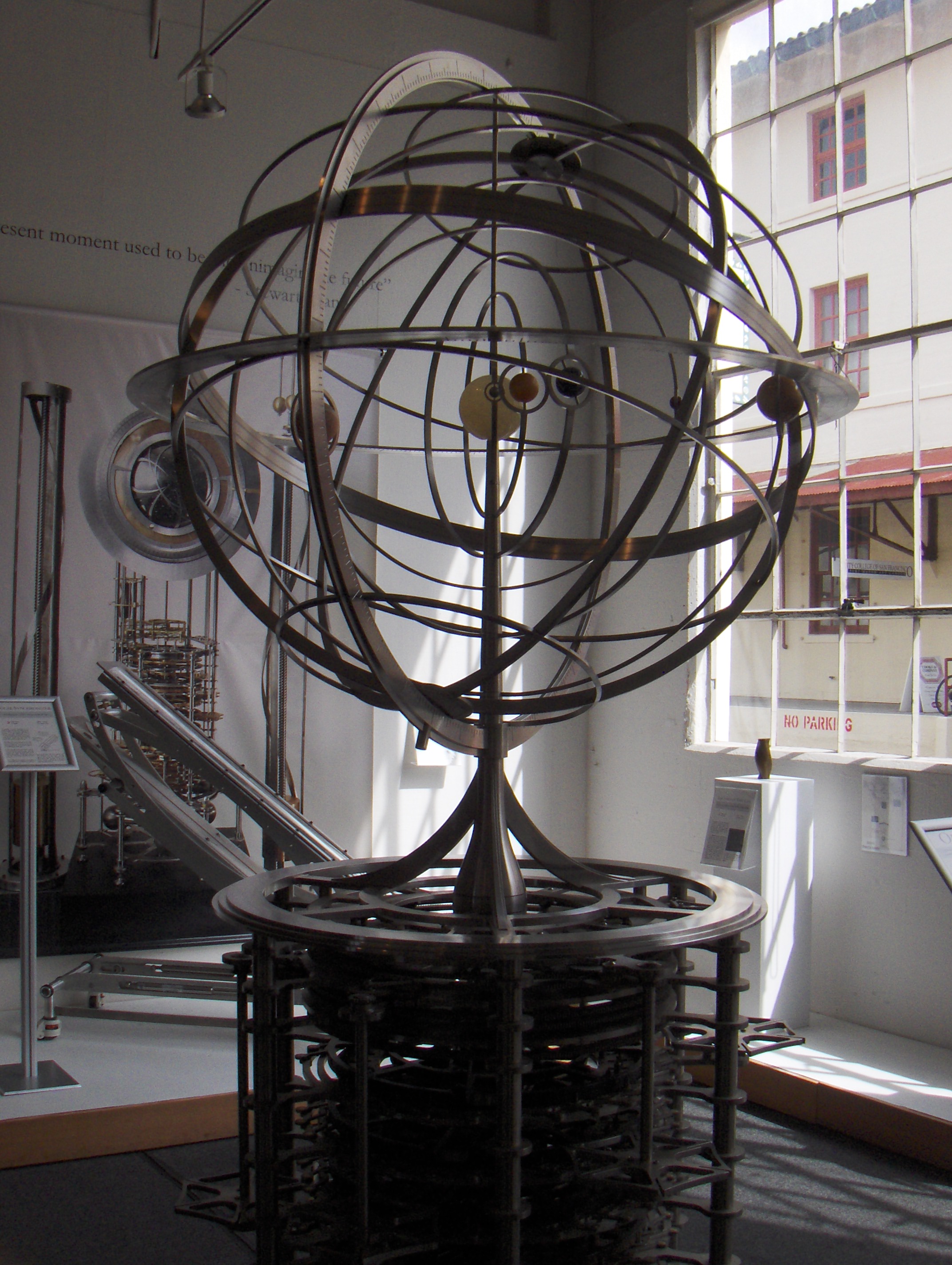
The Long Now Museum, located in San Francisco, CA. Photo credit: Louisa Gaylord

Continue reading “Sustainability: All of Us for All of Time”